What is a Native Plant?
What is a native plant?
To start understanding what exactly a native plant is, it’s helpful to start with a simple definition of the word native:
The Merriam-Webster dictionary defines native a few ways:
“belonging to a particular place by birth”
“Natural, normal”
“produced, living, or existing naturally in a particular region”
Arkansas native plants are species that naturally occur and thrive within the state’s local ecosystems. You’re probably starting to get the idea! In short, native plants are nature’s locals. They are species that have originated and thrived in a region for generations and play a pivotal role in creating balance for local ecosystems and wildlife. The word native can be broad; such as this plant is native to North America, or more narrow; native to the southeastern United States or even native to Arkansas specifically.
Why do native plants matter?
Native species matter because they are an important part of an ecosystem’s team! These plants have formed a symbiotic relationship with the world around them – especially when it comes to insects and wildlife.
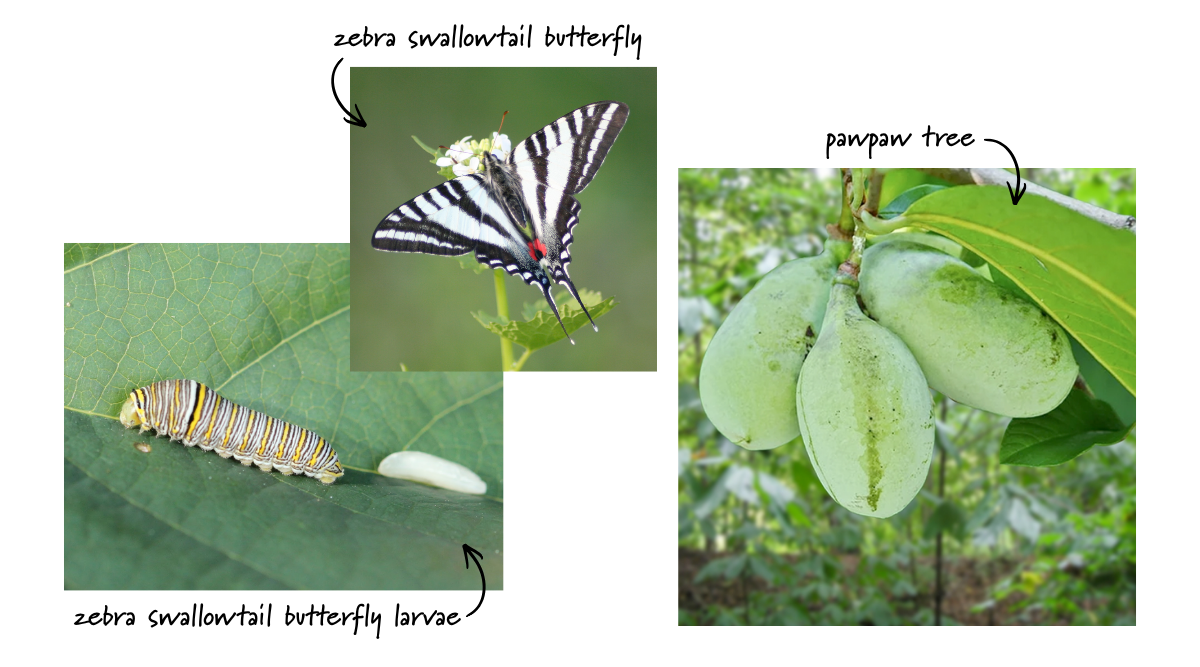
A great example of this in Arkansas native plants and insects is the relationship between the Pawpaw tree and the zebra swallowtail butterfly. The zebra swallowtail feeds exclusively on one of the ten species of Pawpaws found in the United States. In Arkansas, we have two species of pawpaws but only the common pawpaw is more cold-tolerant, so it is the best host plant for the zebra swallowtail, for us. Naturally, the female zebra swallowtails lay their eggs on young pawpaw leaves and hatch a couple weeks later.
So, no pawpaw trees – no swallowtail butterflies – no swallowtail butterflies – less pollination to support plant reproduction – which means less food for wildlife that depend on certain plants.
It’s all a big chain reaction where native species rely on other native species for survival. The pawpaw tree and zebra swallowtail butterfly is just one small example out of thousands of these kinds of interdependent native species relationships.
Here are 3 more examples of Arkansas native plants benefiting the habitat around them:
- The Black-Eyed Susan: Acts as a larval host plant for the Silvery Checkerspot butterfly. The flowers also provide nectar for many pollinating insects!
- Milkweed (Butterfly Weed): Serves as a larval host plant for Monarch caterpillars that feed exclusively on milkweed. It also provides nectar for adult butterflies.
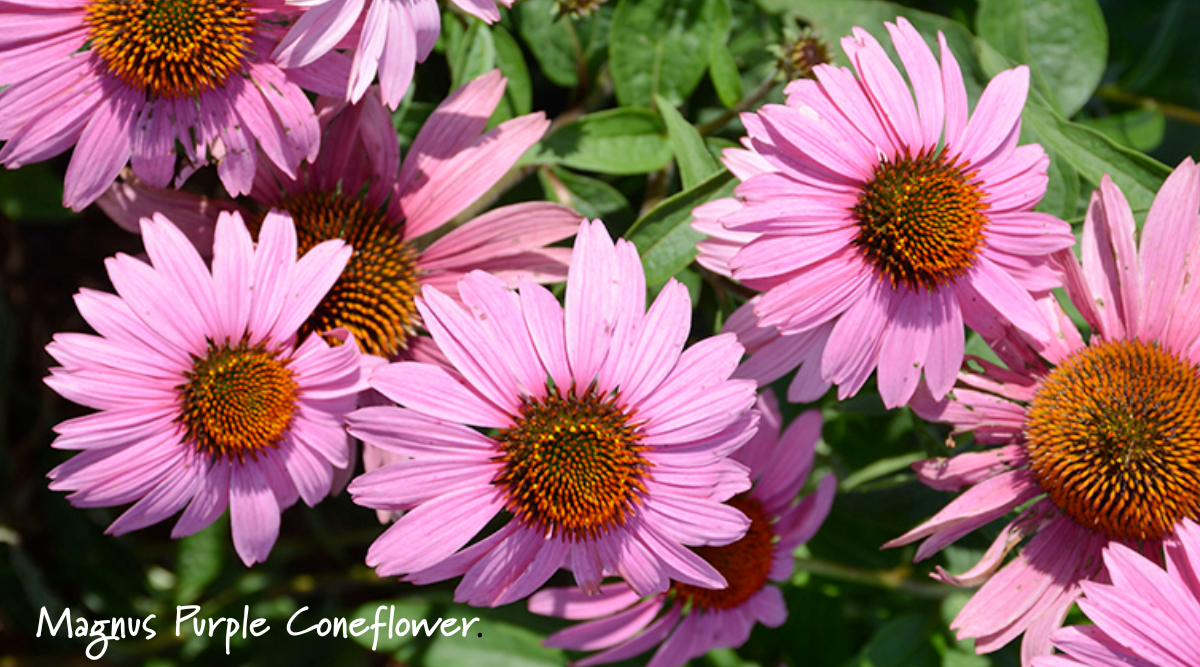
- Purple Coneflower: Provides abundant nectar and pollen from late spring through late summer, supporting native bumble bees and other pollinators.
Does that mean non-native plants are ‘bad’?
We fully support planting native species – even going fully native – to help support our pollinator friends and local natural ecosystems. If this is your path, the National Wildlife Federation has created this helpful resource, just enter your zip code for your plant list!
That being said, just because a plant is not native to Arkansas does not automatically make it bad or unbeneficial. In fact, a lot of the food we eat in America is thanks to non-native plants (think rice, oats, wheat, potatoes, peaches, apples, oranges, peanuts, etc.). Non-native plants can be delicious for cooking (think most herbs), add beauty to your yard or garden, and create what the National Audubon Society describes as a “food deserts” for bugs! Insects are more than happy to chow down on non-native plants as well. A healthy garden can contain both native and non-native species working together in tandem to create a happy ecosystem and a beautiful looking garden!
For tips on creating a pollinator supportive garden in Arkansas, with both native plants and non-invasive host and nectar rich plants, check out this post. For more information on pollinators in general, check out this blog.
What is nativar?
A native plant is also sometimes called a straight species; this is a naturally occurring plant with no human intervention. A nativar is a cultivated variety of a native plant. That means it’s a plant that started as a native species but has been selected or bred by scientists for certain traits, such as different leaves or flower colors, double blooms, more disease-resistant, more compact growth, etc.!
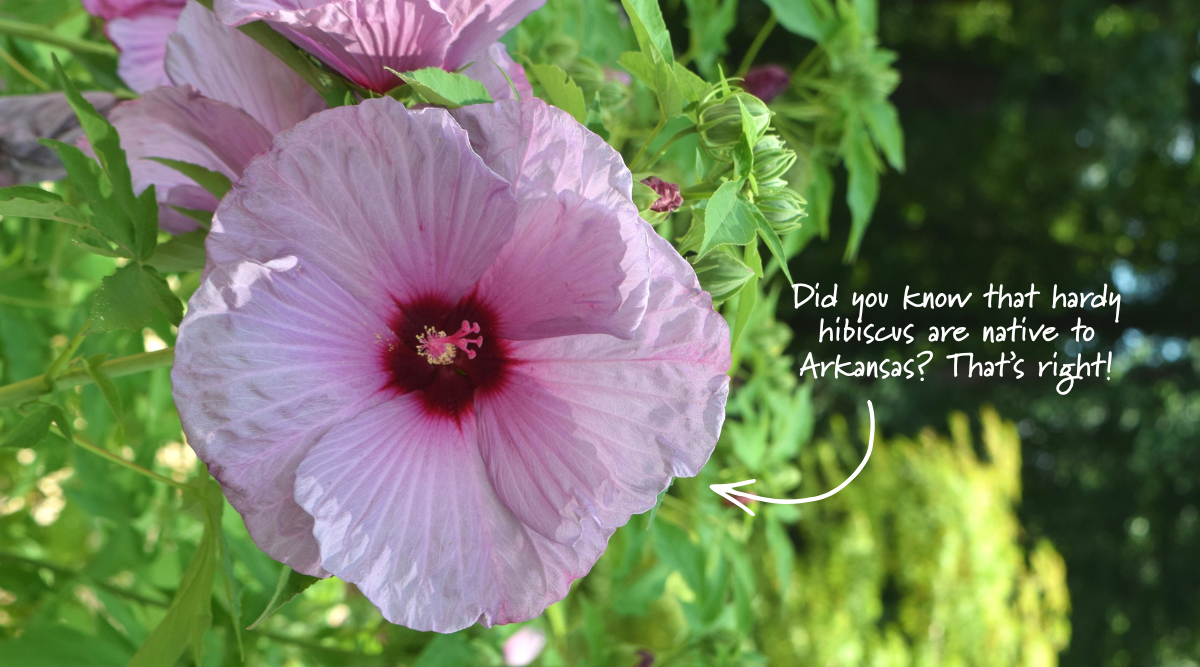
An example of this would be a flower like the Magnus Purple Coneflower. It is a cultivated variety of the Purple Coneflower. A Swedish horticulturist named Ernst Pagels used selective breeding by growing many purple coneflowers from seed and then saved the seeds from the flowers with the most desirable traits over generations – pretty cool! Another example is the hardy hibiscus pictured at the top of this post; it’s a nativar, not one of the three straight species hardy hibiscus native to Arkansas.
When it comes to talking about native plants – the sky is the limit! Er, actually, what you can find is the limit… not all native plants are readily available to purchase out in the wilds of retail garden centers. Why is that? Well nativars are often more showy than straight species. They often perform better in landscapes as we talked about earlier in the post. One other item to consider; there are many straight species native plants that don’t perform well in pots for any length of time, making stocking them year round in garden centers tough. These traits make nativars inherently a more desirable plant to many gardeners, although interest in straight species is growing. It’s your typical supply and demand; when more people want them, the big growers will grow more then garden centers will be able to stock more. If you have your heart set on a difficult to find straight species native plant, look into whether it’s possible to start it from seed, get a start from someone who has some to share or take a look at the Arkansas Native Plant Society for more resources.
We are truly only scratching the surface with this post – but hope that this is helpful for a start!