Butterfly Bush Care Guide: Planting, Pruning & Varieties
What Is A Butterfly Bush?
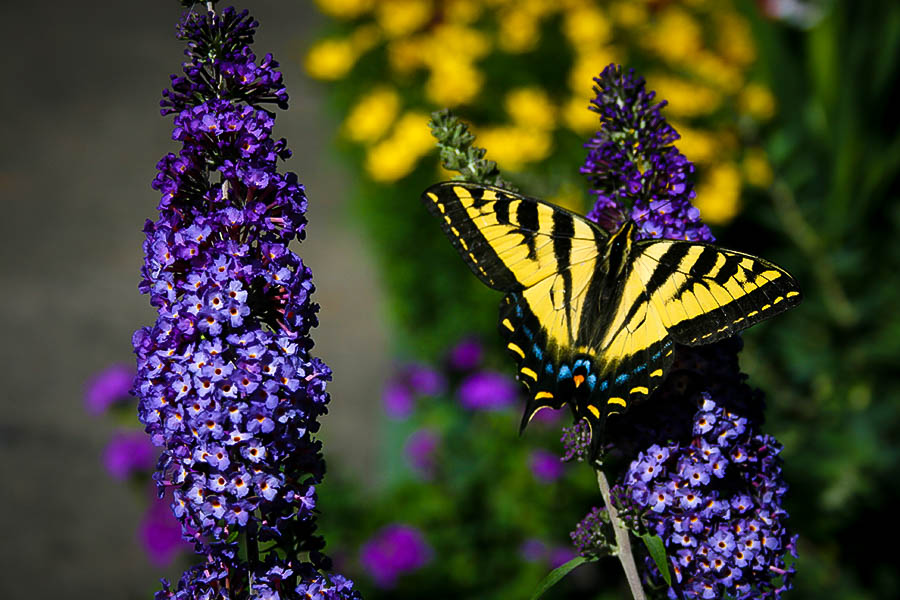
Butterfly bush, also called Buddleja, is a fast-growing flowering shrub loved for attracting butterflies, hummingbirds, and other pollinators. It produces fragrant flower spikes in shades of purple, pink, white, and yellow from summer through fall. Butterfly bushes thrive in full sun and well-drained soil and can grow between 4 and 10 feet tall depending on the variety.
In recent years, and in some states only, butterfly bushes have been identified as invasive. We are fortunate that they are not invasive here in Arkansas but to be on the safe side, we only carry sterile varieties. These are varieties that have a less than 2% seed germination rate. Sterile varieties can even be grown in states where fruitful naturalized varieties are considered invasive. There is a lively conversation about non-native plants for pollinators and whether they are beneficial. We suggest doing research and landing on the decision that makes sense to you. Native plants and nativars (cultivated varieties of native plants) are also widely discussed; specifically, the question of, are nativars good enough? We love that pollinators are being talked about, and these discussions indicate that importance of pollinators in our environment is continually growing!
How Fast Does a Butterfly Bush Grow?
Butterfly bushes are fast-growing shrubs that can add several feet of growth in a single season. Mature size will depend on variety; there are more dwarf varieties available now than ever before!
Growing Conditions for Butterfly Bush
Butterfly bushes grow best in sunny locations with well-drained soil.
Light: Full sun, at least 6 hours of direct sunlight daily for the best blooms.
Soil: Well-drained soil is essential to prevent root rot.
Water: Once established, butterfly bushes are drought tolerant and only need watering during long dry periods.
A Nectar Rich Plant
The lovely butterfly bush is a genus of woody flowering perennial that grow appealing fragrant flower spikes that are known to attract pollinators from late spring to fall. The blooms come in a wide variety of colors such as white, pink, red or shades of purple, while the foliage color may be chartreuse or grayish blue. These low maintenance plants require little work beyond well-drained soil and good sunlight. The butterfly bush has a fibrous root system, instead of a taproot, which means the roots get their nutrients from the upper layers of soil.
Butterfly bushes are good sources of nectar but they are not host plants for pollinators such as butterflies. A host plant is one that butterflies lay their eggs on, and they are very particular. Various butterflies have specific host plants; for Monarchs, they like Butterfly Weed, also known as milkweed. When caterpillars emerge from eggs, they are already on a plant they can forage on before pupating. For more information on pollinator plants, visit this blog post.
Introduction to Butterfly Bushes
- Sun (grows well in part sun but blooming may be reduced)
- Attracts birds, bees and hummingbirds
- Drought tolerant once established
- Great cut flowers
- Low maintenance
- Deer and rabbit resistant
- Plant size and bloom color is variety specific
Where and When to Plant Butterfly Bushes
Butterfly bushes can do well in any garden or landscape that receives adequate amounts of sun (6 hours or more) and has well draining soil. Their graceful arching habit is appealing as a background in informal gardens, and smaller varieties may be grown closer to the front border as accents or in groupings. The best time to plant this variety is spring or fall, right before frost.
Care Requirements for Butterfly Bushes
Watering
During the first growing season, keep the soil around the roots thoroughly moist, but not waterlogged. Water when the soil seems dry. To help maintain healthy roots, use a moisture meter to gauge how wet or dry your plant really is! An established butterfly bush is fairly drought resistant, and only needs watering during long dry spells. Wilted leaves will likely indicate your plant is dry but always check the soil, as wilted leaves can also be a sign of roots staying too wet.
Fertilizing
This perennial does not require constant fertilization. With good, pH balanced soil annual fertilizing will be more than adequate. It is best to fertilize them once every spring. We suggest using Jump Start or Espoma Flower Tone.
Pruning and Deadheading
While butterfly bushes are quite low maintenance overall, annual pruning and regular deadheading is recommended to maintain your plant’s best health. Deadheading your plants means snipping off any browning flower clusters to encourage more flowering though the bloom season. They bloom best on younger, vigorous growth and later in the season. Pruning back annually early in spring before the plant leafs out will help remove any broken or winter-damaged branches from your plant and encourage new shoots. Check out our other posts on pruning to read more about specific techniques and the right way to take care of your garden.
Size Options: Large verses Dwarf
Butterfly bushes come in 2 general categories- a “larger” size that grows between 3 to 5 feet in width and 5 to 10 feet in height and the “dwarf” size that grows between 2 to 4 feet in width and 2 to 4 feet in height. There are various colors and bloom shapes that come in both categories. One of our favorites at the nursery is the Pugster series a low growing variety with huge blooms. To see what we have in stock, please visit our Butterfly Bush inventory page.
Dwarf Variety: Pugster series
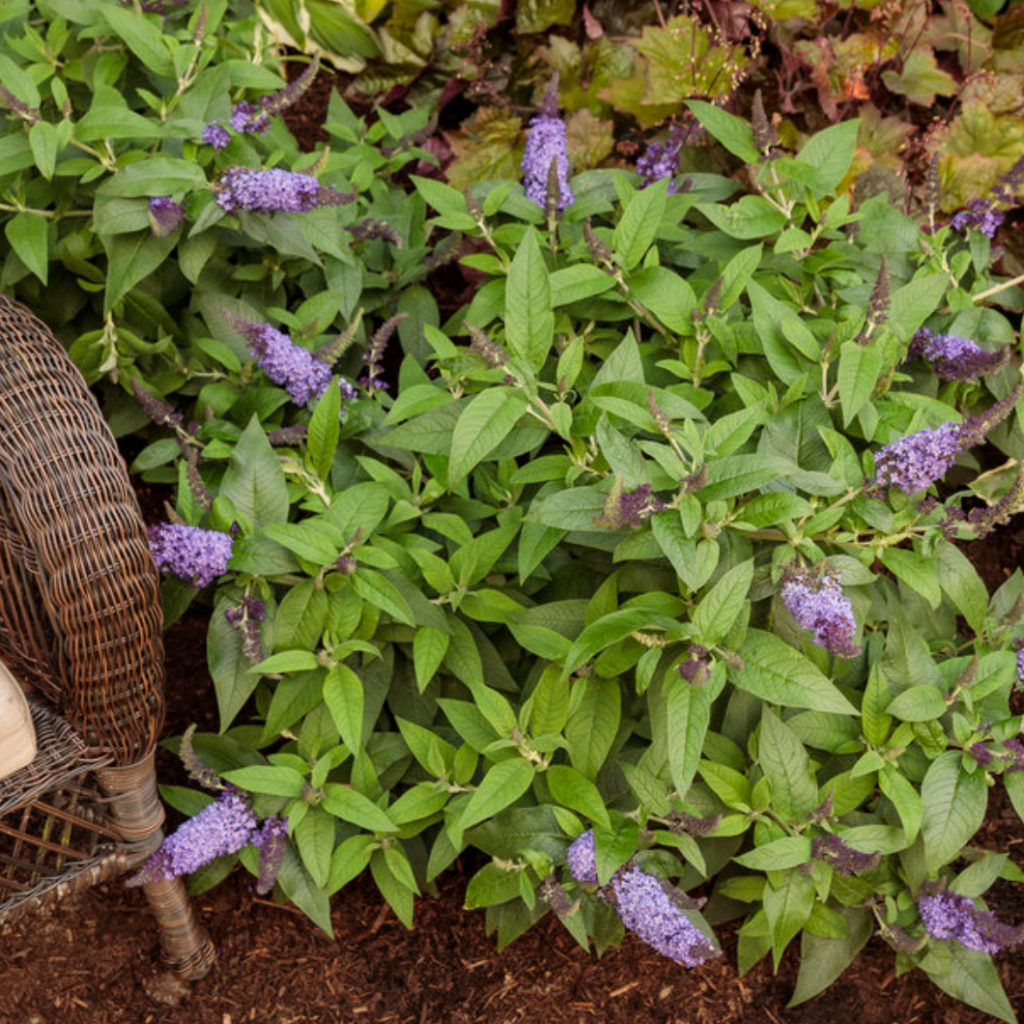
This dwarf butterfly bush series blooms in a variety of colors and features larger blooms than most dwarf varieties. Pugsters have a wider spread than height, with a height averaging 2 feet and a width between 2 and 3 feet. You should expect a continuous bloom on Pugsters from summer to fall; and while deadheading doesn’t hurt, it isn’t requires with this series. It grows quickly in hot heat and sunny spots. The Pugster series is known for its’ sturdy stems and better winter hardiness than other dwarf butterfly bushes.
Butterfly Bush Verses Butterfly Weed
 We mention this a bit up top but we often have customers come in looking for Butterfly Bushes and end up actually wanting Butterfly Weed, specifically Asclepias tuberosa! While both plants can be great growers in Arkansas and both attract pollinators, the overall look of the plants is quite different (as is the function for butterflies). Butterfly Weed grows flat-topped flower clusters in orange to orange reds and yellow colors. Butterfly Weed typically grow between 1 to 3 feet in height and 1 to 2 feet wide. They are also slower to mature and produce abundant blooms, unlike the Butterfly Bush’s quick growth pattern. For more information on the Butterfly Weed and other pollinator plants, check out some previous blogs dedicated to this topic in the following links:
Overall, the Butterfly Bush is an excellent perennial choice for gardens with sun to part sun, well drained soil, and a gardener that loves hummingbirds, butterflies, and other wildlife! With its beautiful bloom shape, rich colors, and variety of sizes to choose from, the Butterfly Bush could be a great addition to your home!
