Adding Landscape Interest with Ornamental Grasses
What is an ornamental grass?
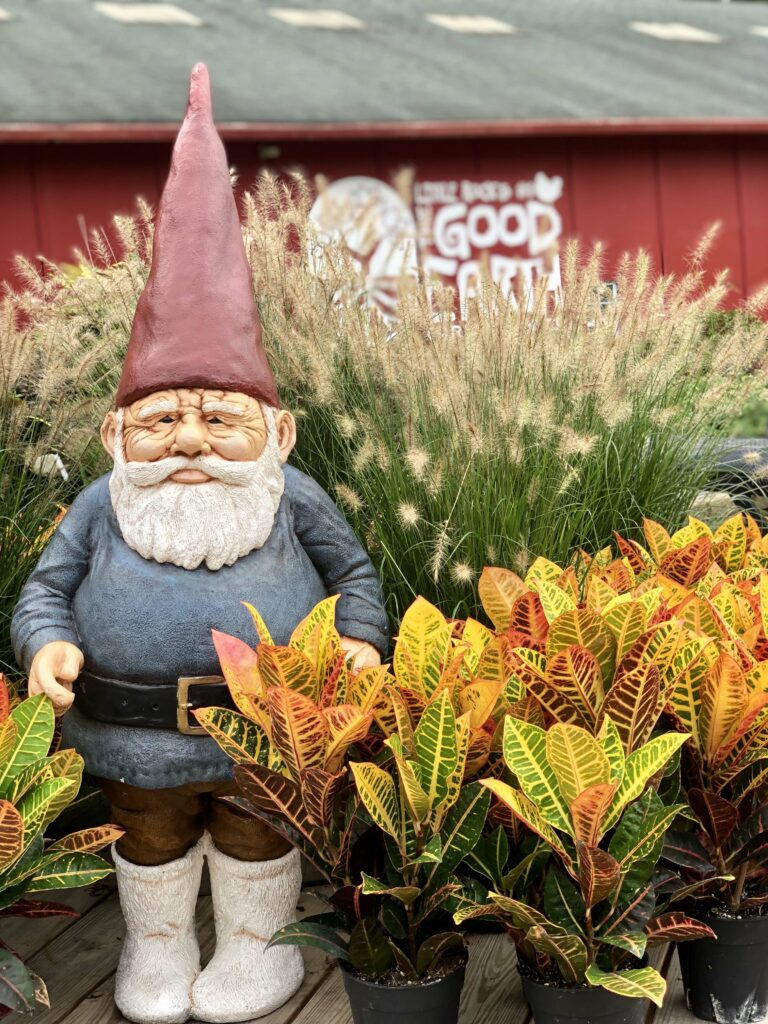
Ornamental grasses are showy grasses, usually grown for their plumes, which is what grass blooms are called. They may also be chosen for leaf color or features; such as zebra grass and purple fountain grass. Plumes usually start appearing in late summer into early fall and last throughout the fall season. And they are starting to show now!
Ornamental grass landscaping is a beautiful way to bring texture, movement, and color to your yard. These plants thrive in a variety of garden designs and can easily enhance both small and large outdoor spaces. When used strategically, ornamental grass landscaping adds depth and contrast that make your landscape feel vibrant year-round.
Ornamental grasses are not evergreen but they offer wonderful winter color. The grass blades turn a light wheat color after our first round of freezing temperatures, and usually keep their form. If we get significant snow or ice, the form may get broken down some.
There is a wide ranges of mature sizes available; they can range from as short as 2 feet tall to 12 feet tall so choose with mature size in mind.
Where to plant ornamental grasses?
True ornamental grasses are full sun plants, that grow well in part sun also. Once they get established, they can tolerate drought, and heat doesn’t bother them either. This makes them a particularly tough plant for Arkansas landscapes, and they can be found in many commercial landscapes, planted in mass. Ornamental grasses are versatile; they add to a variety of planting styles from woodland to mid century modern to cottage. They also make a statement when planted as singles, or in groupings.
What makes ornamental grasses unique?
Here is where it gets fun; it’s all about movement and leaf texture! The long leaf blades dance in the breeze and once the plumes arrive, they do as well. If you are growing a sensory garden, grasses are a must because this movement creates a calm rustling sound. The plumes also add visual interest and hold up well in cut flower arrangements.
How do you care for ornamental grasses?
Here is one more reason we love recommending these landscape plants; they are easy care! They are known as pretty pest free, and only need to be cut back once a year, in February.
How to Use Ornamental Grass Landscaping to Elevate Your Yard
Ornamental grass landscaping transforms ordinary yards into vibrant, low-maintenance outdoor spaces. By mixing different grass heights, textures, and colors, you can create natural borders, focal points, or soft transitions between garden areas. Whether you’re going for a modern, rustic, or cottage-style design, these versatile grasses bring movement and character to your landscape year-round.
A few more tips!
Some popular varieties like purple fountain grass are considered annuals and usually do not come back. However, these are grown as both spring/ summer annuals and as fall accents. They are striking enough to be worth planting, even if they don’t come back. Liriope and sweetflag are not true grasses but have blade-like leaves and offer some of the same features as true ornamental grasses. Plus they are low growing!
Purple Muhly – This one is a favorite for the pinkish purple cloud-like plumes that seem to float above the grass blades. Muhly has rounded blades make this the softest of the grasses. We also love White Cloud, which has cream color plumes! Grows to 3-4 feet tall and wide.
Adagio – Stunning. We just got a big shipment of this lovely grass in. The foliage portion of this grass stays full and lush all season, and the plumes dance above the dense foliage in the fall. Even a slight breeze makes this one catch every eye. Grows to 3-4 feet tall and wide.
Karl Forester – Another favorite; it features a more straight up form, with a more narrow shape and wheat-like plumes. Pairing this with a more rounded fall blooming annual such as Goldstrum Rudbeckia or Russian Sage creates a stunning display. Grows to 4-6 feet tall and 2-3 feet wide.